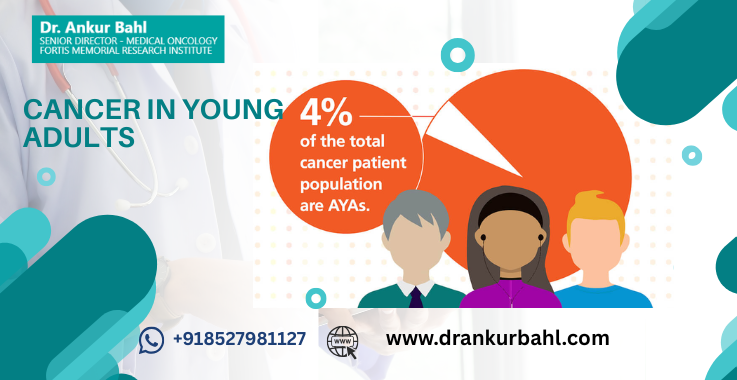
A cancer diagnosis is life-changing at any age—but when it occurs in young adults, it brings a unique set of emotional, physical, social, and career-related challenges. The years meant for building careers, relationships, families, and dreams suddenly become focused on hospital visits, scans, and treatment decisions.
This article explains why cancer in young adults is rising, the most common cancer types, early warning signs, modern treatment options, fertility concerns, mental health challenges, and long-term survivorship. Medically guided by Dr. Ankur Bahal, this guide is designed to inform, reassure, and empower young patients and their families.
What Is Considered “Young Adult” Cancer?
In oncology, young adults are typically defined as people aged 15 to 39 years. Cancer in this age group behaves differently from childhood or older-adult cancers—often requiring specialized treatment approaches and long-term follow-up.
Is Cancer Increasing Among Young Adults?
Yes. Global data shows a steady rise in cancer cases among people under 40, especially for:
Key Reasons for the Rise
- Sedentary lifestyle
- Processed foods & obesity
- Chronic stress
- Tobacco, alcohol & vaping
- Delayed childbearing
- Environmental exposure
- Genetic predisposition
Early detection is the most powerful tool in improving survival.
Common Types of Cancer in Young Adults
1. Breast Cancer
Now increasingly seen in women under 40, often aggressive but highly treatable when diagnosed early.
2. Colorectal Cancer
One of the fastest rising cancers in people under 35 worldwide.
3. Lymphoma (Hodgkin & Non-Hodgkin)
Very common in young adults with high cure rates.
4. Thyroid Cancer
More frequent in young women; excellent survival rates.
5. Testicular Cancer
Typically affects men between 20–35 years; among the most curable cancers.
6. Cervical & Ovarian Cancer
Often linked with screening gaps or delayed diagnosis.
Early Warning Signs Young Adults Should Never Ignore
Young people often ignore symptoms assuming they are “too young for cancer.” Warning signs include:
- Unexplained weight loss
- Persistent fatigue
- A lump in breast, neck, or testicle
- Blood in stool or urine
- Ongoing pain with no clear reason
- Changes in bowel habits
- Non-healing ulcers
- Abnormal vaginal bleeding
Any symptom lasting more than 2–3 weeks should be evaluated.
The Emotional Shock of Cancer at a Young Age
A cancer diagnosis in youth often triggers:
- Fear of death
- Anxiety about the future
- Body image issues
- Relationship challenges
- Career disruption
- Financial stress
- Depression
Young patients struggle not only with survival—but also with identity, independence, and life goals.
Emotional counseling is now considered a core part of modern cancer care.
How Is Cancer Treated in Young Adults Today?
Treatment is personalized based on:
- Cancer type & stage
- Genetic profile
- Patient’s overall health
- Fertility plans
- Emotional readiness
1. Surgery
For early-stage solid tumors.
2. Chemotherapy
Main treatment for blood cancers and advanced solid tumors.
3. Radiation Therapy
Precise tumor targeting with minimal damage to surrounding tissue.
4. Targeted Therapy & Immunotherapy
Modern therapies that:
- Improve cure rates
- Reduce side effects
- Allow faster recovery
Fertility & Cancer: A Major Concern in Young Patients
One of the biggest fears for young adults is loss of fertility after cancer treatment.
Fertility Preservation Options
- Sperm banking
- Egg freezing
- Embryo freezing
- Ovarian tissue preservation
Fertility planning must be discussed before starting treatment.
Career, Education & Cancer: Life Doesn’t Have to Stop
Many young adults:
- Continue studying
- Work remotely during treatment
- Resume careers after recovery
Modern oncology focuses on:
- Cure
- Quality of life
- Career continuity
- Mental well-being
Life After Cancer: Survivorship in Young Adults
Cancer survivors may face:
- Fear of recurrence
- Hormonal changes
- Fatigue
- Anxiety during follow-up scans
- Long-term medication side effects
Survivorship care includes:
- Regular monitoring
- Nutrition planning
- Fitness rehabilitation
- Mental health therapy
- Sexual health counseling
Survivorship is now treated as a separate medical phase, not an afterthought.
Role of Expert Oncologist in Young Adult Cancer Care
Treating cancer in young adults requires:
- Precision medicine
- Fertility safety
- Long-term toxicity prevention
- Emotional intelligence
- Transparent communication
Under the guidance of experienced oncologists like Dr. Ankur Bahal, young patients benefit from:
- Evidence-based protocols
- Personalized therapy plans
- Advanced chemotherapy regimens
- Ethical treatment decisions
- Long-term survivorship planning
Survival Rates in Young Adults Are Improving
With early diagnosis and modern treatment:
- Testicular cancer survival: 95%+
- Hodgkin’s lymphoma survival: 85–90%
- Thyroid cancer survival: 98%+
- Early breast cancer survival: 85–90%
Cancer in young adults is increasingly curable.